Home » Fibromyalgia is now recognized as a disability, expanding rights in Brazil.
Science and Health
Fibromyalgia is now recognized as a disability, expanding rights in Brazil.
Law No. 15.176/2025 guarantees preferential treatment, inclusion in the job market, and other benefit
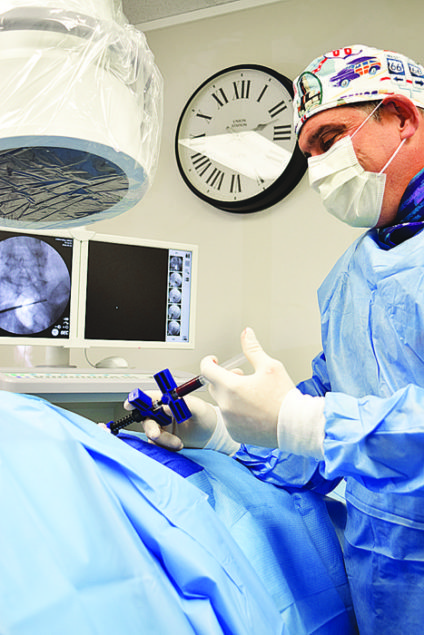
Photo 1 Ghislaine
“The condition mostly affects women due to hormonal and genetic changes, in an age range between 30 and 50 years old,” explains physiotherapist Ghislaine Corrêa.
Fibromyalgia, a condition affecting a significant portion of the population, with estimates in Brazil ranging from 2% to 3%, representing approximately 5 to 7 million people, has been recognized as a disability (PwD) in Brazil since Law No. 15.176/2025. The law came into effect in 2026, guaranteeing more rights such as preferential treatment, quotas, exemptions, and support for inclusion in the job market. However, the final classification depends on a biopsychosocial assessment that considers the patient’s functional, environmental, and social limitations. The new regulation stipulates that the biopsychosocial assessment be carried out by a multidisciplinary and interdisciplinary team, observing the criteria established in the Statute of Persons with Disabilities (Law No. 13.146/2015), including the analysis of impairments in bodily functions and structures; socio-environmental, psychological, and personal factors; limitations in performing activities, as well as restrictions on participation in these activities.
According to epidemiological data from the Brazilian Society of Rheumatology (SBR), fibromyalgia has an estimated prevalence of approximately 3% in the Brazilian population, manifesting mainly as generalized chronic pain in muscles and tendons, accompanied by fatigue, sleep disorders, anxiety, cognitive impairment (memory and attention problems), and depressive symptoms. Worldwide, the condition affects about 2,5% to 5% of people, causing generalized chronic pain and impacting quality of life.
Multidisciplinary treatment
Physiotherapist Ghislaine Cristina Corrêa, with 22 years of experience, explains that the impacts caused by the condition are significant in patients’ lives. “As a physiotherapist, I see the impact of fibromyalgia on patients’ lives daily. The condition mostly affects women due to hormonal and genetic changes, in an age range between 30 and 50 years old,” she observes.
The professional emphasizes that Fibromyalgia is a disease of sensitization of the nervous system, where the brain interprets common stimuli as usually intense pain. Treatment is multidisciplinary. “The rheumatologist provides pharmacological treatment, the psychologist takes care of the mind, as triggers and stress favor crises, and the nutritionist focuses on an anti-inflammatory diet. Physiotherapy helps to re-educate the body through gradual movement: exercises in water or on land, manual therapies, and electrotherapy to reduce stiffness, desensitize nerves, and release endorphins. In short, relief and prevention are achieved through movement and strategic rest,” explains Ghislaine Corrêa.
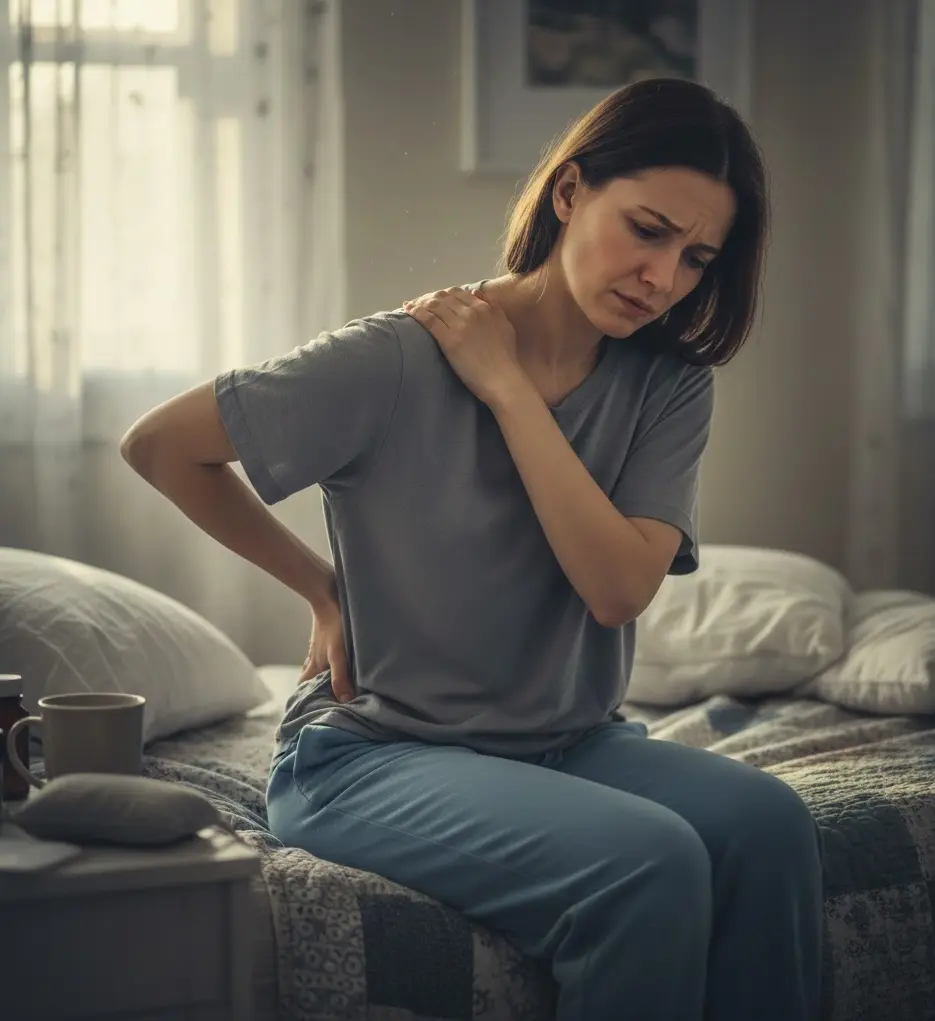
Photo 2 illustrative Fibromyalgia
Fibromyalgia affects a significant portion of the population, with estimates in Brazil ranging from 2% to 3%, representing approximately 5 to 7 million people (Illustration photo).
Although the path to benefits is only just beginning, with the recent approval of the law, the physiotherapist believes that the legal recognition of Fibromyalgia as a disability is a great victory. “Legal recognition validates an ‘invisible’ disease, guaranteeing rights, priorities, and social support. It guarantees rights such as preferential treatment, parking spaces, and, in some cases, social security benefits,” she emphasizes.
The Lei
Law No. 15.176, of July 23, 2025, establishes the basis for the creation of a national program to protect the rights of people affected by fibromyalgia, chronic fatigue syndrome, complex regional pain syndrome, and other related diseases. The law defines guidelines for care, the formulation of public policies, and the criteria for the eventual equivalence of these people to the status of people with disabilities.
With the change, the legislation now stipulates that actions aimed at this population must be promoted within the framework of a nationwide program, guided by specific guidelines. These include multidisciplinary care, community participation in the implementation, monitoring and evaluation of actions, as well as the dissemination of information about the diseases and their implications.
The law also mandates incentives for the training and development of specialized professionals, both for direct care of affected individuals and for supporting their families. Another provision is the encouragement of these individuals’ integration into the job market, recognizing the challenges they face due to the limitations imposed by their illnesses. Furthermore, the legal text reinforces the importance of promoting scientific research, especially epidemiological studies that allow for assessing the magnitude and characteristics of these health conditions in the country.
To enable the execution of these guidelines, the public authorities are authorized to enter into contracts or agreements with private legal entities, preferably non-profit organizations, thus expanding the possibilities for cooperation in the implementation of the planned actions.
The law also authorizes the Executive Branch to promote studies for the creation of a single registry of people affected by the diseases covered by the regulation. This registry may gather information on health conditions, care needs, clinical, care and work follow-up, as well as the social protection mechanisms available to this population.
PCD
Another central point of the legislation deals with equating individuals affected by these diseases to individuals with disabilities. The law establishes that this equivalence is not automatic and depends on a biopsychosocial assessment, to be conducted by a multidisciplinary and interdisciplinary team. This assessment must consider impairments in body functions and structures, socio-environmental, psychological and personal factors, as well as limitations in the performance of activities and restrictions on participation in society, according to the criteria defined in the Statute of Persons with Disabilities (Law No. 13.146/2015).
With over 28 years of experience in journalism, she has built a career marked by a passion for communicating, informing, and connecting with people. Throughout this journey, she has worked for various radio stations, where she experienced the daily realities of news, gave voice to important stories, and delivered information clearly, responsibly, and accessibly to listeners in different contexts and situations. Her experience was further strengthened in the communications department of the Paranaguá City Hall, with a distinguished role in the Municipal Health Secretariat. During this period, she combined technical skill and sensitivity to transform actions and public policies into understandable and relevant messages for the population, always paying attention to the social impact of information. In addition, she has worked as a ceremonialist, an area where organization, attention to detail, and good communication go hand in hand. Conducting events and ceremonies with professionalism, empathy, and confidence is part of a profile built over the years, guided by responsibility and care in every step of the process.