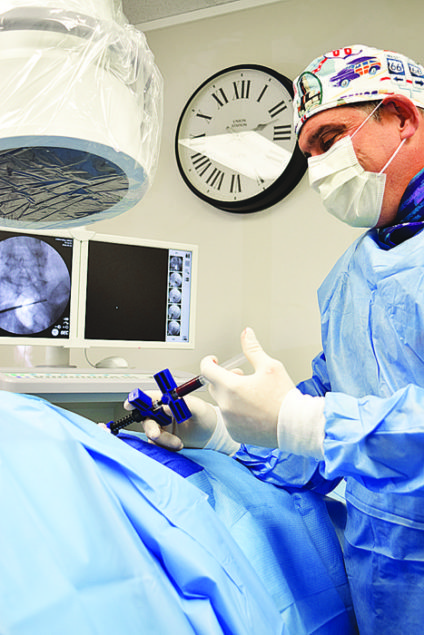
Fibromyalgia is one of the most challenging chronic conditions for modern healthcare systems. Despite affecting millions of people worldwide, it often remains underdiagnosed, misunderstood, and inconsistently treated. Because it is an invisible illness, patients frequently struggle not only with symptoms but also with navigating the healthcare system itself.
This article explores how fibromyalgia is handled in healthcare systems, the barriers patients face, and what improvements are needed for better care.
🌿 Understanding Fibromyalgia in Clinical Practice
Fibromyalgia is a chronic pain disorder characterized by widespread musculoskeletal pain, fatigue, sleep disturbances, and cognitive issues (often called “brain fog”). Unlike many other conditions, it does not show up clearly on standard medical tests.
For healthcare providers, this creates a diagnostic challenge. Doctors must rely heavily on:
Patient-reported symptoms
Medical history
Exclusion of other conditions
Because of this, fibromyalgia is sometimes misunderstood or even dismissed, especially in busy or under-resourced healthcare settings.
⚠️ Challenges in Healthcare Systems
1. Delayed or Missed Diagnosis
Many patients go years without a proper diagnosis. They may visit multiple doctors before receiving confirmation. This delay can worsen symptoms and lead to emotional distress.
2. Lack of Awareness Among Providers
Not all healthcare professionals are equally trained in recognizing fibromyalgia. Some may confuse it with other conditions or underestimate its severity.
3. Limited Treatment Options
There is no single cure for fibromyalgia. Treatment usually involves a combination of:
Medication
Lifestyle changes
Therapy
However, access to these options varies depending on the healthcare system.
4. Stigma and Patient Dismissal
Patients often report feeling that their symptoms are not taken seriously. Because the illness is invisible, some providers may question its legitimacy, leading to frustration and mistrust.
🧠 The Role of Multidisciplinary Care
Effective management of fibromyalgia often requires a team-based approach, including:
🩺 Doctors (primary care and specialists)
🧘 Physical therapists
🧠 Psychologists or counselors
🥗 Nutritionists
This multidisciplinary model helps address both the physical and emotional aspects of the condition. However, not all healthcare systems provide easy access to such integrated care.
🌍 Differences Across Healthcare Systems
Fibromyalgia care can vary widely depending on the country and healthcare structure:
Developed systems may offer better access to specialists and therapies
Developing systems may face shortages of trained professionals
Private healthcare often provides faster diagnosis but may be expensive
Public healthcare may be more affordable but involve long waiting times
These differences can significantly impact patient outcomes.
💡 Improving Fibromyalgia Care
To better support fibromyalgia patients, healthcare systems need several key improvements:
📚 Better Education and Training
Healthcare providers should receive updated training on fibromyalgia to improve diagnosis and treatment.
🏥 Integrated Care Models
Encouraging collaboration between different specialists can lead to more effective treatment plans.
🧾 Patient-Centered Care
Listening to patients and validating their experiences is essential for building trust and improving outcomes.
💻 Use of Technology
Telemedicine and digital health tools can help patients access care more easily, especially in remote areas.
📢 Awareness Campaigns
Public awareness can reduce stigma and encourage early diagnosis.
🌱 Living with Fibromyalgia in Today’s Healthcare System
Navigating the healthcare system with fibromyalgia can be difficult, but patients can take steps to advocate for themselves:
Keep a record of symptoms
Ask questions during appointments
Seek second opinions if needed
Join support groups for guidance
Being informed and proactive can make a big difference in receiving proper care.
🌟 Final Thoughts
Fibromyalgia presents unique challenges for healthcare systems worldwide. From delayed diagnosis to limited treatment access, patients often face obstacles that go beyond their physical symptoms.
However, with better awareness, improved training, and a more compassionate approach to care, healthcare systems can evolve to meet the needs of fibromyalgia patients more effectively