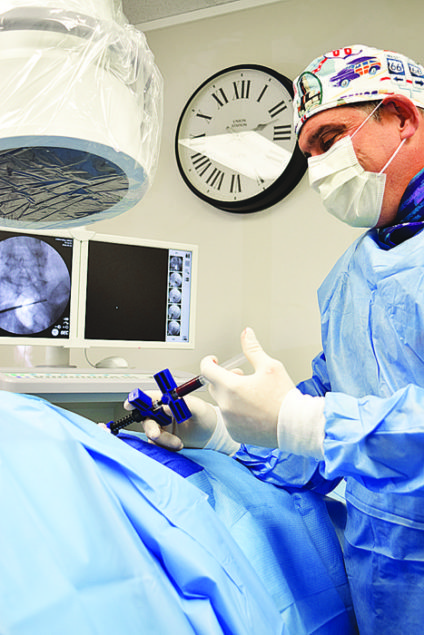
Fibromyalgia is a chronic condition that causes widespread pain, fatigue, and tenderness. While there is no complete cure, many treatments can help manage symptoms and improve quality of life. The best approach usually combines medication, lifestyle changes, and supportive therapies.
🔹 1. Medications for Fibromyalgia
Medications are often used to reduce pain, improve sleep, and manage mood.
Pain relievers (like over-the-counter options) help reduce mild pain
Antidepressants can improve sleep and reduce pain signals
Anti-seizure drugs (like pregabalin) help calm nerve pain
Muscle relaxants may reduce stiffness
👉 Always consult a doctor before starting any medication.
🔹 2. Physical Therapy & Exercise
Regular movement is one of the most effective treatments.
Low-impact exercises (walking, swimming, cycling)
Stretching routines to reduce stiffness
Strength training (light weights)
Guided physical therapy programs
💡 Start slow—overexertion can trigger flare-ups.
🔹 3. Stress Management & Relaxation
Stress worsens fibromyalgia symptoms, so managing it is key.
Meditation and deep breathing
Yoga and mindfulness
Spending time in a calm environment
Reducing daily stress triggers
🔹 4. Sleep Improvement
Poor sleep increases pain and fatigue.
Maintain a regular sleep schedule
Avoid caffeine before bedtime
Create a comfortable sleep environment
Limit screen time at night
🔹 5. Diet & Nutrition
A healthy diet supports overall well-being.
Eat anti-inflammatory foods (fruits, vegetables, fish)
Avoid processed and sugary foods
Stay hydrated
Consider food sensitivities
🔹 6. Alternative Therapies
Some people find relief with complementary treatments.
Massage therapy
Acupuncture
Aromatherapy
Warm water therapy (hydrotherapy)
🔹 7. Mental Health Support
Living with fibromyalgia can affect emotional health.
Cognitive Behavioral Therapy (CBT)
Support groups (online or local)
Talking to family and friends
Professional counseling
🔹 8. Lifestyle Adjustments
Small daily changes can make a big difference:
Pace your activities (avoid overworking)
Take regular breaks
Keep a symptom diary
Set realistic goals
✅ Final Thoughts
The best treatment for fibromyalgia is not one single method—it’s a combination of strategies tailored to your body. What works for one person may not work for another, so it’s important to experiment safely and stay cons