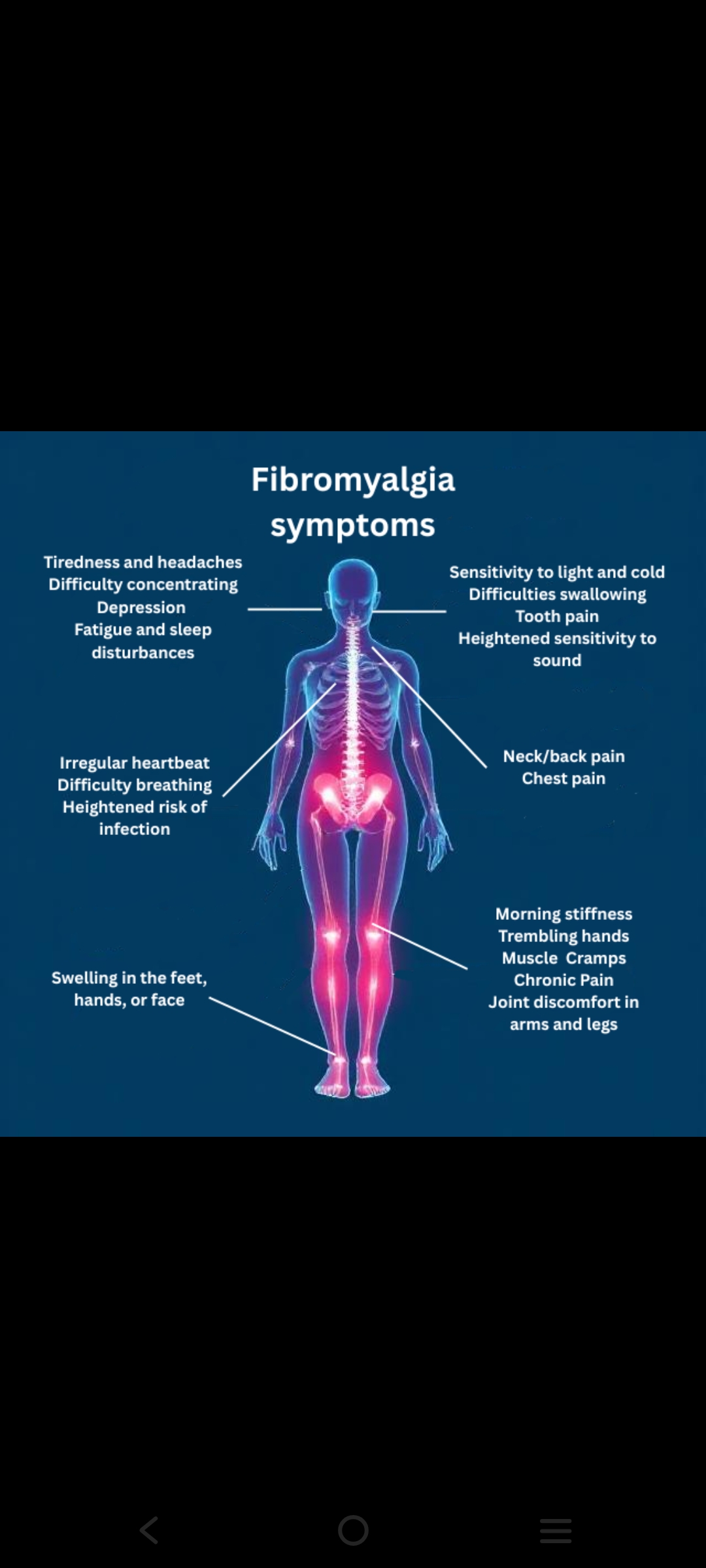
Fibromyalgia is a chronic condition known for causing widespread pain and heightened sensitivity to stimuli that wouldn’t normally be painful. This feature, called pain sensitivity, is one of the hallmark characteristics of the disorder, and it can significantly impact daily life.
What Is Pain Sensitivity in Fibromyalgia?
People with fibromyalgia often experience allodynia, which is when normal touch or mild pressure feels painful. For example, a light hug, pressure from clothing, or even gentle movement may trigger discomfort. This happens because the nervous system becomes overactive, amplifying pain signals that would normally be minimal or ignored by the brain.
Why Does It Happen?
The main reason is central sensitization, a condition in which the central nervous system (brain and spinal cord) becomes hyper-responsive. Key factors include:
Imbalanced neurotransmitters: Chemicals like serotonin and norepinephrine, which help regulate pain, may be lower than normal.
Genetic predisposition: Fibromyalgia sometimes runs in families.
Trigger events: Stress, infections, physical injuries, or lack of sleep can worsen pain sensitivity.
Symptoms Related to Pain Sensitivity
Widespread muscle and joint pain
Tender points across the body
Headaches or migraines
Tingling or numbness in limbs
Increased discomfort in response to light touch, temperature changes, or pressure
Managing Pain Sensitivity
While there is no cure, pain sensitivity can be managed through a combination of approaches:
Gentle exercise – Stretching, walking, or swimming reduces stiffness and improves endorphin release.
Stress reduction – Meditation, yoga, and mindfulness calm the nervous system.
Proper sleep – Quality sleep reduces pain amplification.
Medication – Pain relievers, antidepressants, or nerve-targeting drugs may help.
Physical therapy – Focused exercises and massage can relieve tender points.
Understanding pain sensitivity is key to living well with fibromyalgia. By combining lifestyle changes, medical support, and self-care, patients can reduce discomfort and improve daily function.